
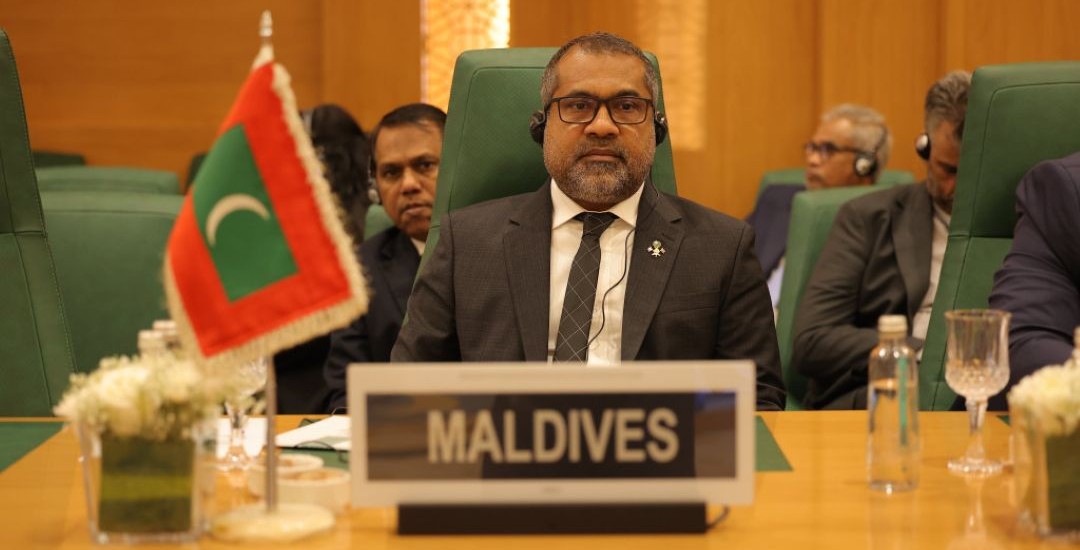
Minister for Foreign Affairs, International Cooperation and Gambians Abroad of the Republic of The Gambia, His Excellency Sering Modou Njie,
Minister of Foreign Affairs and Expatriates of the State of Palestine, Her Excellency Dr. Varsen Aghabekian Shahuin,
Secretary General of the Organization of Islamic Cooperation, His Excellency Hissein Brahim Taha,
Excellencies, Ladies and Gentlemen,
Assalamu Alaikum Warahmatullahi Wabarakatuhu,
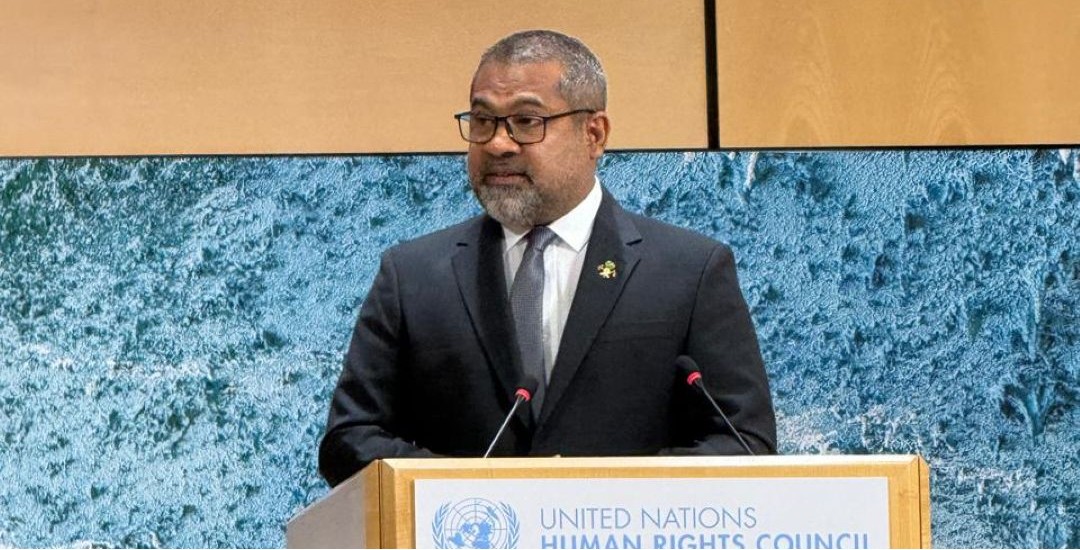
We meet again at a critical moment. Since we last met, almost a year ago in this very hall, we unfortunately find ourselves discussing once again the fate of our Palestinian brothers and sisters.
During this holy month of Ramadan, we are reminded of compassion, justice, and moral responsibility. Yet even during this sacred time, Palestinians continue to endure occupation and dispossession.
While we fast and pray, their land is being confiscated in the occupied West Bank under the label of “state property.”
This decision by Israel seeks to impose an illegal reality on the ground. It expands settlements and deepens the process of annexation.
These actions clearly violate international law. They undermine prospects for peace and deny the Palestinian people their fundamental rights.
Excellencies,
Let us be clear: Palestinian lands belong to Palestinians.
For decades, we have witnessed the steady expansion of settlements across the occupied West Bank. Homes have been demolished, communities displaced, and Palestinian families stripped of their rights. Each new announcement of settlement expansion or land appropriation tightens the grip of occupation and pushes the prospects of peace further out of reach.
The Maldives strongly condemns the Israeli occupation’s decision to convert land into so-called ‘state property.’ This constitutes a serious violation of international law and represents a continuation of illegal settlement policies that undermine the rights of the Palestinian people.
Excellencies,
The only lasting resolution can be achieved through the establishment of an independent and sovereign State of Palestine, based on the pre-1967 borders, with East Jerusalem as its capital.
In line with our principled position, the Maldives is doing all it can:
At the International Court of Justice
At the United Nations
At home, through punitive measures
By supporting humanitarian efforts, including UNRWA
And by always lending our voice, our solidarity, our support.
Excellencies,
The Palestinian people have endured decades of occupation and denial of their fundamental rights, yet their resilience remains unbroken. Their right to self-determination is non-negotiable and their homeland is not for sale.
We need to think together, look within ourselves – at what it is that we, as a collective ummah can do. Not just words, but concrete actions.
The Maldives will not waver in its support. We reaffirm our unwavering commitment to the legitimate rights of the Palestinian people – to freedom, to sovereignty, and to living in dignity, peace, and security on their own land.
I thank you.